Less Is More

IMPRŏV-able Results
Think and Speak Under Pressure
Call Sandy Today! 206-351-5899

IMPRŏV-able Results Blog!
Let me know what articles you find particularly helpful and what else you would like to read about.
Contact me at sandy@improv-ableresults.com, 206-351-5899, or click Contact.
Do you ever:
- begin listening to a speech, then suddenly realize your mind has gone bye-bye?
- start reading a letter or article and soon wonder what in the world is the point? Will it ever emerge? Will you even know if it does? Is it worth your time to continue?
- cringe when a speaker says, “I didn’t prepare, so I’m just going to wing it”? (You just know what’s coming will likely be rambling and boring.)
We all tend to ramble at times, some more than others - whether we’re feeling uneasy or at ease. Maybe we feel unprepared, anxious, distracted, unfocused. Or, maybe we mistakenly think our audience or reader really wants and needs ALL the details.
Consider these quotes:
1) It usually takes more than three weeks to prepare a good impromptu speech. (Mark Twain) – note: it also takes time to prepare a good scheduled speech.
2) I would have written a shorter letter, but I did not have the time. (Blaise Pascal)
There is great value in brevity and clarity. But, it’s often difficult to achieve without taking time to think through, ahead of time, what we might want to write or say and then remove the extraneous. “Write tight” is a phrase writers use. Speakers should also practice so they can speak tight. Regular practice and rehearsal can even help us prepare for relaxed small talk at social events. Plan, prepare, practice for real and imagined opportunities.
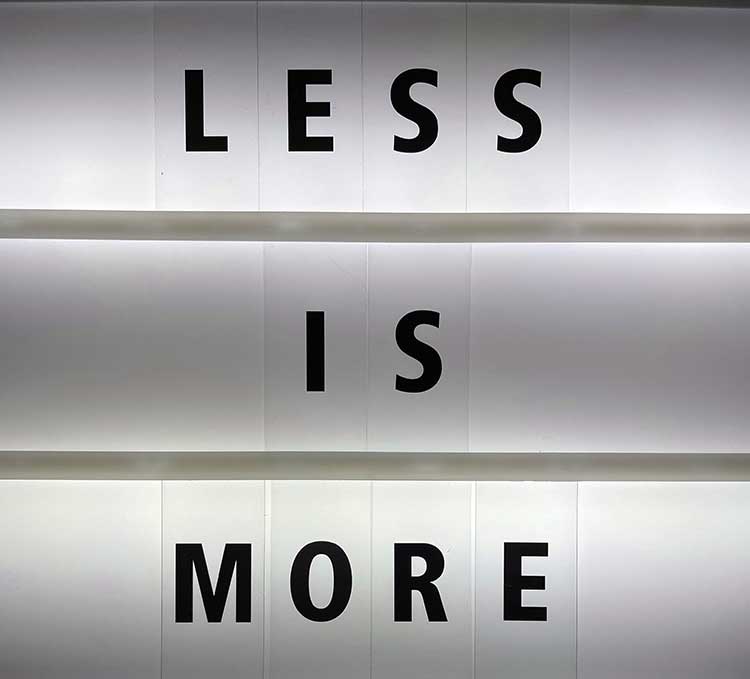
“Less is more” is a phrase to remember. It means that simplicity and brevity can have a greater impact – be better understood and appreciated. Isn’t that what you want?